
Best Outsourced Marketing Services for Small Business [2026 Guide]
Why I Stopped Trying to Be a One-Man Marketing Department
When you outsourced marketing services, you’re making a strategic move. When I started my first business in 2013, I thought I could handle all the marketing myself. How hard could it be? Write some blog posts, post on Facebook, maybe run a few ads. I’d save money and keep everything in-house.
📋 Table of Contents
That lasted about six months. I was staying up until midnight creating graphics in Canva, writing blog posts that nobody read, and running Facebook ads that burned through cash faster than I could count. My marketing looked amateur because I was an amateur. More importantly, I was spending 30 hours a week on marketing instead of running my actual business.
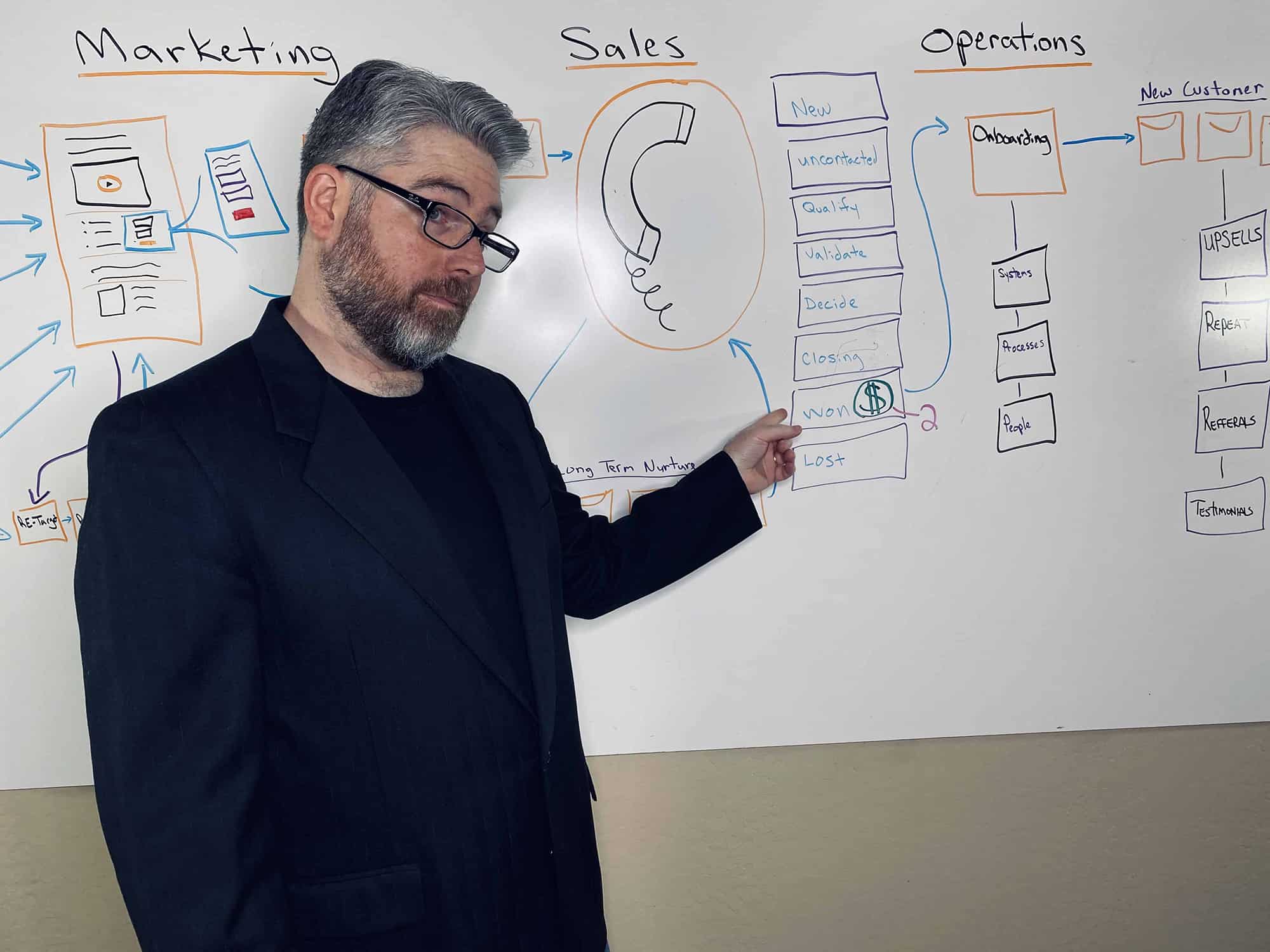
Fast forward 12 years and over $1 million in outsourcing investments later, I can tell you exactly which marketing services are worth outsourcing and which ones aren’t. This isn’t theory, it’s battle-tested experience from building multiple agencies and serving 400+ clients at DeskTeam360.
Marketing has gotten stupidly complicated. In 2013, you needed a website and maybe some social media. In 2026, you need a website, SEO, social media across six platforms, email automation, video content, paid ads, CRM integration, AI-optimized content, and a Google Business Profile that doesn’t look abandoned. No small business owner can do all of that well.
The Marketing Services Actually Worth Outsourcing
I’ve tried outsourcing everything at some point. Some services are gold mines. Others are money pits. Here are the eight that consistently deliver ROI for small businesses.
Web Design and Development
Your website is working 24/7. If it looks like 2019 or takes six seconds to load, you’re losing deals before conversations even start. I’ve seen businesses increase their conversion rate from 1.2% to 4.1% just by getting professional web design. The difference isn’t subtle.
Most small business owners either use a template that looks like everyone else’s or they try to DIY it and end up with something that screams “I can’t afford a real designer.” Neither works. Professional web design with clear messaging, fast load times, and mobile optimization is the foundation everything else builds on.
Pro tip: Don’t just hire a designer, hire someone who understands conversion. Pretty websites that don’t convert are expensive art projects. Ask to see before/after conversion metrics, not just portfolio pieces.
Graphic Design
Every piece of marketing needs visuals. Social media posts, email headers, pitch decks, business cards, trade show banners, infographics, case study graphics. Unless you have genuine design talent on your team, this needs to be outsourced. The time investment alone makes it worth it.
I used to spend three hours making one Instagram post in Canva. Now my design team cranks out five posts in 30 minutes, and they look professionally branded instead of like I cobbled them together during my lunch break.
Search Engine Optimization
SEO is a long game that most small business owners don’t have the patience or expertise for. It’s technical, constantly changing, and takes six to twelve months to show meaningful results. But it’s also the highest ROI marketing channel when done correctly.
I tried to do SEO myself for two years. I installed Yoast, I read blog posts about keywords, I even took an online course. My organic traffic went from 500 visitors per month to 600 visitors per month. When I finally hired an SEO specialist, traffic went to 8,000 visitors in six months. Some things are worth paying for.
Social Media Management
Posting consistently across multiple platforms is a massive time sink. More importantly, each platform has its own algorithm, best practices, and content formats. What works on LinkedIn bombs on TikTok. What crushes on Instagram gets ignored on Facebook.
Social media management done right frees up 10 to 15 hours per week and usually produces better results because professionals know what actually works on each platform. They understand hashtag strategies, posting times, engagement tactics, and content formats that drive results instead of just vanity metrics.
Video Editing
Video is the dominant content format in 2026. Short-form video drives more engagement than any other content type. But editing video is incredibly time-consuming and requires specific software skills that take months to develop.
I spent four hours editing a two-minute video for my first YouTube channel. It looked okay. My video editor now turns around the same quality video in 45 minutes, and it looks significantly better. The ROI on video editing outsourcing is immediate and obvious.
Email Marketing
Email still generates $36 for every dollar spent, making it the highest ROI marketing channel available. But effective email marketing requires strategy, copywriting, design, automation setup, list segmentation, and ongoing optimization. Most small businesses send sporadic, ugly emails that get ignored or marked as spam.
Professional email marketing isn’t just about sending newsletters. It’s about automated sequences that nurture leads, segment subscribers based on behavior, and drive specific actions. The setup alone takes weeks of focused work.
CRM and Marketing Automation
Setting up platforms like GoHighLevel, ActiveCampaign, or HubSpot properly requires technical expertise most small businesses don’t have. A well-configured CRM with automated follow-up sequences can double your close rate, but only if it’s set up correctly.
I’ve seen businesses spend $500 per month on HubSpot and use it like a glorified contact list. That’s like buying a Ferrari and using it to check your mail. The automation capabilities are where the real value lives, but configuring them properly requires someone who does it every day.
Content Writing
Blog posts, case studies, white papers, email sequences, website copy. All require consistent, quality writing. AI can help with first drafts, but you still need humans to add personality, fact-check claims, optimize for search, and ensure everything aligns with your brand voice.
More importantly, content writing is research-heavy. Good content requires understanding your audience, analyzing competitors, identifying content gaps, and creating pieces that actually serve your business goals instead of just filling your blog with words.
The all-in-one approach beats vendor juggling every time. Managing four separate contractors for design, development, video, and email means four different communication styles, four invoices, four project timelines, and four potential points of failure.
Free Template
The Ultimate Task Delegation Template
Stop guessing what to hand off. This template shows you exactly what to delegate, how to brief it, and how to QA the results.
Get the Free Template →
What to Look For in an Outsourcing Partner
I’ve hired over 200 freelancers and contractors over 12 years. Here’s what actually matters when you’re evaluating partners.
Range of services matters more than you think. If you need design, development, video, and email marketing, hiring four separate vendors means managing four relationships, four invoices, and four different communication processes. Find a partner that can handle multiple services under one roof.
Proven track record with actual numbers. Ask for case studies with real results. Not “we increased engagement” because that’s meaningless. Look for “we rebuilt their website and conversion rate went from 1.8% to 3.9%” or “we redesigned their email templates and open rates increased from 14% to 31%.” Specific metrics from real projects.
Communication transparency is non-negotiable. The number one reason outsourcing relationships fail is poor communication. Your partner should have clear processes for updates, revisions, and feedback. You shouldn’t have to chase them for status updates or wonder what they’re working on.
Pricing transparency should be obvious from their website. If you can’t figure out what something costs without scheduling a sales call, that’s usually a sign it’s going to be expensive and confusing. Look for flat-rate or clearly defined pricing models.
What It Actually Costs in 2026

Here’s what you should expect to pay for quality marketing services. These numbers are based on current market rates and my experience working with dozens of providers.
Web design ranges from $3,000 to $15,000 for a professional small business website. Freelancers typically charge $3,000 to $8,000. Agencies charge $8,000 to $50,000 depending on complexity. Design subscription services include web design as part of monthly packages ranging from $1,500 to $3,000.
Graphic design costs $500 to $3,000 per month for freelancers handling ongoing social media, email headers, and marketing materials. Agencies charge $2,000 to $6,000 per month for the same scope. Subscription services include unlimited graphic design in their monthly packages.
Video editing runs $200 to $1,000 per video depending on length and complexity. Agencies charge $1,000 to $5,000 per video. Professional video editing subscriptions handle multiple videos per month for $1,500 to $3,000 total.
Small businesses save 40-60% on total marketing costs by using subscription-based services instead of hiring multiple freelancers or agencies.
Email marketing costs $500 to $2,500 per month for strategy, design, and automation setup. This includes list management, segmentation, and performance optimization. Agencies typically charge $2,000 to $8,000 per month for comprehensive email marketing.
When you add it all up, hiring individual freelancers for web design, graphic design, video editing, and email marketing typically costs $4,000 to $16,000 per month. Agency pricing runs $15,000 to $70,000 per month. Full-service subscription models typically range from $1,500 to $3,000 per month for everything included.
The Five Mistakes That Kill Outsourcing Success
I’ve made every outsourcing mistake possible. Here’s how to avoid the expensive ones.
Starting with the cheapest option is false economy. I get it, budgets are tight. But hiring the cheapest designer on Fiverr for your website is like getting the cheapest surgeon for your knee replacement. The $500 website will cost you $5,000 in lost opportunities and eventually need to be completely rebuilt.
For industry research and benchmarks, check out Search Engine Journal.
Outsourcing everything at once creates chaos. Pick one service. Get it working smoothly. Then add the next one. Trying to outsource design, SEO, social media, email, and video simultaneously is a recipe for disaster. You’ll overwhelm yourself trying to manage multiple new relationships while learning different communication processes.
Watch out: Providers who promise immediate results in SEO or content marketing are either lying or using tactics that will hurt you long-term. SEO takes 6-12 months. Content marketing takes 3-6 months. Email marketing needs 30-60 days to optimize properly.
Not providing clear briefs guarantees disappointing results. Your outsourced team isn’t psychic. “Make it look professional” means different things to different people. Provide examples, brand guidelines, competitor references, and specific feedback. The quality of your input directly determines the quality of their output.
Treating outsourcing as “set it and forget it” is the fastest way to waste money. Outsourcing saves you time, not attention. You still need to review work, provide feedback, approve strategies, and stay involved in major decisions. The best outsourcing relationships are partnerships, not delegations.
How to Start Without Overcommitting
Here’s my recommended approach for small businesses new to marketing outsourcing, based on what I’ve seen work across hundreds of client implementations.
Month one should focus on web design and graphic design. Get your visual presence dialed in first. This is the foundation everything else builds on. A professional website and consistent visual branding make every other marketing channel more effective.
Month two or three, add SEO services. Start building organic traffic while your visual brand is getting polished. SEO takes time to show results, so starting it early in the process makes sense. You want those search rankings building in the background.
Month three through six, layer in email marketing and social media management. Now you have professional content to share and systems to capture the leads your website and SEO efforts are generating. The pieces start working together instead of independently.
Month six and beyond, expand into video editing, CRM automation, and paid advertising. By this point, you have the infrastructure to support these more advanced channels. You know what messaging works, what your audience responds to, and what your conversion metrics look like.
The key principle is starting with one thing and doing it exceptionally well. Don’t try to boil the ocean. Pick the service that will have the biggest immediate impact on your business and focus all your attention on getting that relationship right before adding complexity.
Understanding how to measure marketing ROI becomes critical once you start outsourcing multiple services. You need to know which investments are paying off and which ones need adjustment. Our guide on creating FAQ pages can help improve your website conversion rates once the design work is done. For businesses ready to scale, learning how to reduce bounce rates amplifies the impact of all your marketing efforts.
Marketing outsourcing isn’t about finding the cheapest providers or delegating everything you don’t want to do. It’s about strategically partnering with specialists who can execute at a level you can’t achieve in-house, freeing you to focus on running and growing your business instead of trying to become an expert in six different marketing disciplines.
Free 5-Minute Video
See How DeskTeam360 Works in Under 5 Minutes
Watch the short video and see exactly how we handle design, development, and marketing implementation — so you don't have to.
Watch the Video →