


How to Build a Remote Marketing Team (Without the $300K Payroll)
The $300K Marketing Team Myth
Let’s talk about build remote marketing team. Here’s the harsh reality: most small businesses think they need to hire a $75K marketing manager, a $65K content writer, a $55K graphic designer, and a $45K social media specialist to compete. That’s $240K in base salaries before you add benefits, taxes, equipment, and office space. By the time you’re done, you’re looking at $300K+ for a basic four-person marketing team.
📋 Table of Contents
I’ve been running outsourced teams for over 12 years, and I’m here to tell you that’s complete nonsense. You can build a more talented, more productive marketing team for about $60K per year. I’m not talking about cutting corners or settling for subpar work. I’m talking about accessing the same global talent pool that Fortune 500 companies use, without the Fortune 500 overhead.
Here’s exactly how to do it, with real numbers, real timelines, and real results from businesses that went from spending six figures on marketing talent to building world-class teams for the cost of one US hire.
Why Remote Marketing Teams Outperform In-House Teams
This isn’t just about cost savings, though the math is compelling. Remote marketing teams often deliver better results than traditional in-house setups, and there are specific reasons why.
First, you’re hiring from a global talent pool instead of whoever happens to live within commuting distance of your office. That graphic designer in Bucharest who charges $25/hour might be more skilled than the one in your city who wants $75/hour. Geography doesn’t determine talent, but it definitely affects pricing.
Second, remote workers are used to structured processes and clear communication. They have to be. When you can’t just walk over to someone’s desk, everything gets documented, every project gets proper briefs, every deadline gets tracked. The discipline this creates benefits everyone.
Third, you can scale up and down based on actual business needs. Need extra design work for a product launch? Bring on a specialist for six weeks. Social media campaign wrapping up? Scale back the hours. Try doing that with full-time employees and see how fast HR calls you.
Free Tool
How Much Is Freelancer Management Really Costing You?
Most agency owners have never done this math. Plug in a few numbers and see your real cost in 2 minutes.
Calculate Your Hidden Costs →
The Five Essential Marketing Roles (And What Each Should Cost)
Every effective marketing team needs these five core functions. Here’s what each role actually costs when you hire globally instead of locally.
Marketing Strategy and Project Management ($1,200-1,800/month)
This person orchestrates everything. They develop your marketing strategy, manage campaigns across channels, analyze performance data, and coordinate with your other team members. Think of them as your marketing department director, but without the director-level salary.
In the US, this role commands $65K-85K annually. Globally, you can find exceptional talent for $1,200-1,800 per month. Countries like the Philippines, Mexico, and Eastern Europe have marketing professionals with US or European education who charge a fraction of domestic rates.
Content Creation and Copywriting ($1,000-1,500/month)
Content drives modern marketing, but hiring a skilled content writer in the US costs $50K-70K per year. For $1,000-1,500 monthly, you can work with writers who have worked with major brands, understand conversion copywriting, and can produce blog posts, email campaigns, social content, and ad copy consistently.
Pro tip: Look for writers with portfolio work in your industry. A content creator who already understands SaaS marketing or e-commerce will deliver better results faster than a generalist, even if they charge slightly more.
Graphic Design and Visual Content ($800-1,200/month)
Visual content isn’t optional anymore. Between social media posts, blog graphics, ad creative, email headers, and website updates, you need constant design support. A full-time designer in the US costs $45K-60K annually, plus software licenses and equipment.
For $800-1,200 per month, you can work with designers who have experience with major brands, understand current design trends, and can turn around requests quickly. Many come with their own Adobe licenses and high-end equipment.
Social Media Management ($600-1,000/month)
Social media requires daily attention, but it doesn’t require a $40K-50K annual salary. For $600-1,000 monthly, you can find social media specialists who understand platform algorithms, can create engaging content, respond to comments and messages, and track performance across all your channels.
The key is finding someone who treats social media as a business function, not just posting randomly. You want strategic posting, community engagement, and performance tracking.
Paid Advertising Management ($1,000-1,500/month)
Running profitable paid ads requires specialized skills. Google Ads, Facebook Ads, LinkedIn campaigns, each platform has its own nuances and best practices. In the US, experienced PPC managers charge $55K-75K annually, often plus a percentage of ad spend.
Globally, you can find certified Google and Facebook ads specialists for $1,000-1,500 per month. Many have managed six-figure monthly budgets for international clients and understand advanced targeting, conversion tracking, and campaign optimization.

The Real Math: $60K vs $300K
Let’s break down the actual numbers, because this is where the business case becomes impossible to ignore.
Traditional in-house team: Marketing Manager at $75K, Content Writer at $55K, Graphic Designer at $50K, Social Media Specialist at $40K, and PPC Manager at $65K. That’s $285K in base salaries. Add 30% for benefits, taxes, and overhead, and you’re at $370K annually. Plus office space, equipment, software licenses, and the time you’ll spend managing five different personalities and schedules.
Remote team approach: Strategy/PM at $18K annually, Content Writer at $15K, Designer at $12K, Social Media at $9K, and PPC Manager at $15K. Total: $69K per year. No benefits, no office space, no equipment costs, no management headaches. Just results.
You save $231K annually while often getting better results from specialists who work with multiple clients and stay current on best practices.
That savings can fund your entire marketing budget, hire additional specialists, or simply improve your bottom line by a quarter million dollars per year.
Where to Find World-Class Remote Marketing Talent
Knowing what to pay is one thing, knowing where to find the right people is another. After 12+ years of building remote teams, I can tell you exactly where the talent lives.
The Philippines: English-First Marketing Professionals
The Philippines produces exceptional marketing talent with native-level English skills and US cultural understanding. Many have worked with American companies, understand US business practices, and operate in time zones that overlap with US business hours. Marketing strategists, content writers, and social media managers from the Philippines often deliver work that’s indistinguishable from domestic talent at 70% lower costs.
Eastern Europe: Technical Marketing Excellence
Countries like Poland, Romania, and Ukraine have strong educational systems and produce marketing professionals with excellent technical skills. PPC specialists, marketing automation experts, and data analysts from this region often have advanced certifications and work with sophisticated marketing tools. Time zones align well with US East Coast businesses.
Mexico: Cultural Alignment and Proximity
Mexican marketing professionals often understand US culture intuitively, work in compatible time zones, and many have experience with US companies. Content creators, graphic designers, and social media specialists from Mexico frequently produce work that resonates perfectly with US audiences.
Watch out: Don’t hire based on price alone. The cheapest bid is rarely the best value. Look for portfolio work, client testimonials, and relevant experience. A skilled professional who charges 20% more will deliver 200% better results than someone who underbids to win the job.
Building Your Team: The 90-Day Implementation Plan
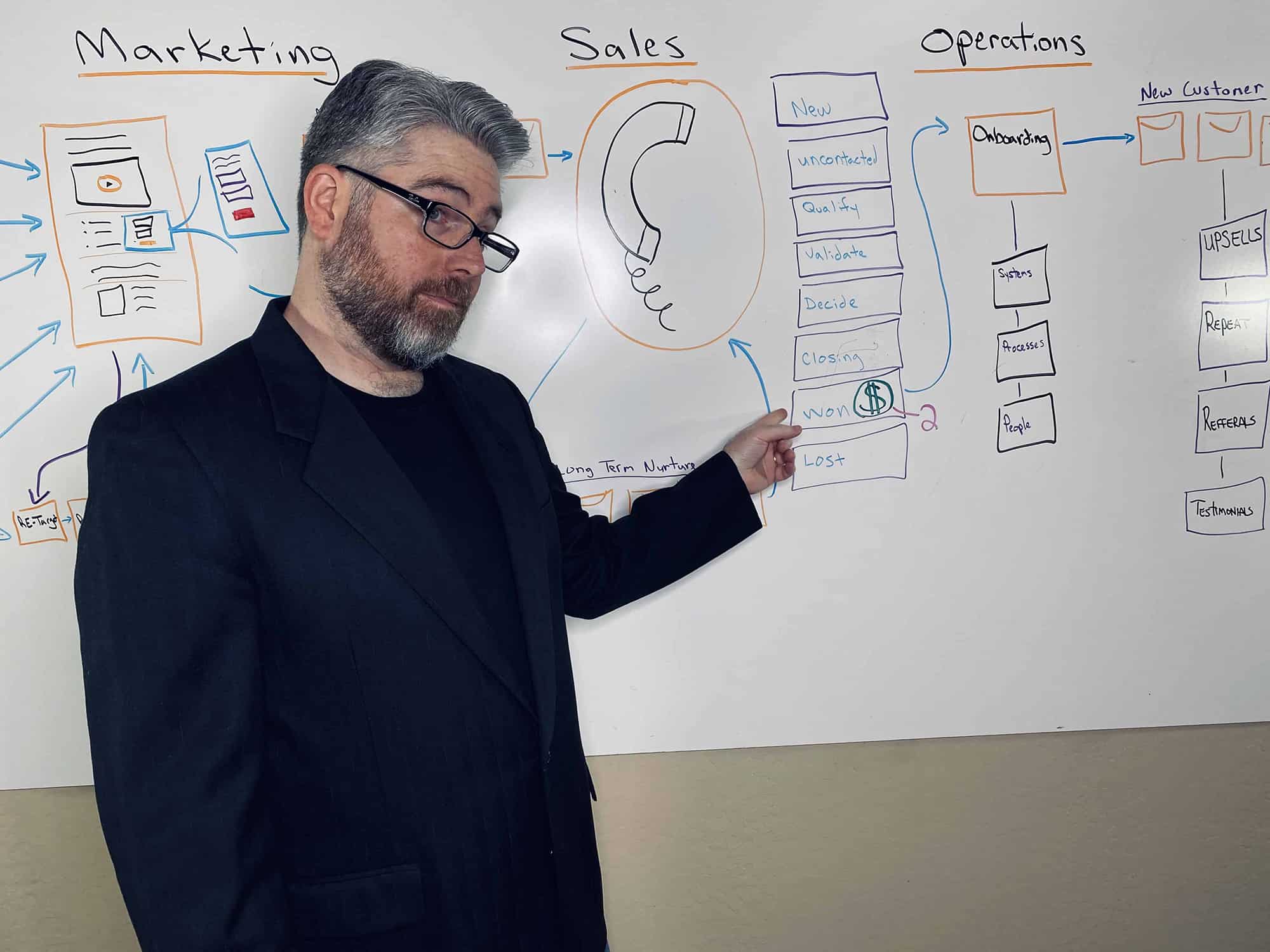
Here’s the step-by-step process I’ve used with 400+ clients to build effective remote marketing teams from scratch.
Days 1-30: Foundation and Strategy Role
Start with your marketing strategist. This person will help you hire the rest of the team, develop your overall marketing approach, and establish processes that keep everyone aligned. Don’t try to hire multiple people simultaneously, it creates chaos.
Post detailed job descriptions that specify your industry, required tools, and expected outcomes. Include portfolio requirements and specific questions about their experience with businesses your size. Screen candidates based on work samples first, price second. Schedule video calls with your top three choices and ask them to review your current marketing and suggest improvements.
Days 31-60: Core Content and Design
Once your strategist is onboard, add your content writer and graphic designer. Your marketing strategist should be involved in these hiring decisions since they’ll be working together daily. Look for people who have worked with similar businesses and understand your industry’s language and design preferences.
Team chemistry matters in remote work. Skills are important, but if people can’t communicate clearly in writing or don’t respond promptly to messages, the remote arrangement falls apart quickly.
Days 61-90: Specialists and Scale
Add your social media specialist and PPC manager last. By this point, your core team has established workflows and can help integrate new members. These specialists need to understand how their work fits into the bigger marketing picture, not operate in isolation.
For insights into building effective team communication across time zones, our guide on project management best practices covers the fundamentals of remote collaboration.
Tools and Systems That Make Remote Teams Work
Remote marketing teams need the right infrastructure to operate smoothly. Here are the essential tools that keep everything coordinated.
We break this down further in what is a marketing implementation team? bridging strategy and execution.
Project management: Use something visual like Asana, Monday.com, or ClickUp where everyone can see project status, deadlines, and dependencies. Written briefs for every project, no exceptions. Clear approval processes so people know when work is done versus when it needs revisions.
Communication: Slack or Microsoft Teams for daily communication, but with clear rules about response times and availability windows. Video calls for complex discussions, but most day-to-day coordination should happen in writing so there’s a record.
Asset management: Shared drives (Google Drive, Dropbox, or OneDrive) with organized folder structures. Brand guidelines, style guides, and templates in easy-to-find locations. Version control processes so you don’t end up with seventeen different versions of the same document.
Performance tracking: Shared dashboards showing marketing metrics, campaign performance, and goal progress. When everyone can see how their work contributes to business results, quality and motivation improve significantly.
Managing Performance Across Time Zones
Managing remote teams requires different skills than managing office workers, but it’s not more complicated once you understand the principles.
Set clear expectations about deliverables, deadlines, and quality standards upfront. Remote workers need more structure than office workers, not less. Weekly one-on-one calls with each team member to review work, provide feedback, and address any blockers. Monthly team calls where everyone presents their results and plans for the following month.
Track performance metrics consistently. How many blog posts published per month? What’s the engagement rate on social content? How are ad campaigns performing against targets? Data removes ambiguity and politics from performance discussions.
Common Mistakes That Sink Remote Marketing Teams
I’ve seen these problems destroy otherwise promising remote team setups. Here’s how to avoid each one.
Hiring too many people too fast. Building an effective remote team takes time. Rush the process and you end up with people who don’t work well together, duplicated efforts, and communication breakdowns. Hire one person, get them working effectively, then add the next.
No clear processes or documentation. Remote work requires everything to be written down. If it’s not documented, it doesn’t exist. Project briefs, approval processes, quality standards, communication schedules. All of it needs to be clear and accessible.
Micromanaging or abandoning. Remote workers need more structure than office workers, but they also need autonomy to do their jobs. Check in regularly, provide clear feedback, but don’t require minute-by-minute updates. Trust but verify.
Ignoring time zone coordination. Schedule overlap matters for real-time collaboration, but it’s not everything. Design workflows that allow for handoffs and asynchronous work. Not every decision needs a real-time meeting.
Pro tip: Start with 30-day contracts for new team members. This gives both sides a chance to evaluate fit without long-term commitments. Good performers get extended to longer contracts with better rates.
Scaling Beyond the Core Five Roles
Once your core marketing team is working effectively, you can add specialists based on business growth and specific needs.
Email marketing specialists for advanced automation and segmentation ($600-900/month). Video editors for YouTube, social media, and ad content ($800-1,200/month). Conversion rate optimization specialists for landing page and website improvements ($1,200-1,800/month). Marketing automation experts for complex funnel development ($1,000-1,500/month).
The key is adding specialists when you have enough work to keep them busy, not before. A part-time specialist who works with multiple clients often delivers better results than a full-time generalist who’s learning on your dime.
For businesses looking to optimize their marketing further, our analysis of marketing automation benefits shows how these specialists can multiply your team’s effectiveness.
For industry research and benchmarks, check out Search Engine Journal.
The Legal and Practical Considerations
Working with international contractors requires some basic legal and administrative setup, but it’s simpler than most businesses expect.
Use independent contractor agreements that specify deliverables, payment terms, and intellectual property ownership. Most remote professionals have their own standard contracts, just make sure IP transfers to your business. Pay through platforms like Wise, Payoneer, or direct bank transfers. PayPal works but has higher fees and some countries restrict access.
For US tax purposes, you’ll need to collect W-8BEN forms from international contractors and file 1099s for US-based ones who earn over $600 annually. It’s straightforward paperwork, and most contractors know the drill.
IP protection matters more than location. Whether someone works from Manila or Manhattan, make sure your contracts specify that all work product belongs to your business. Geographic location doesn’t change intellectual property law.
Real Results: What to Expect in Your First Year
Here’s what typically happens when businesses make the switch from expensive in-house teams to effective remote marketing teams.
Month 1-3: Initial setup and learning curve. Your costs drop immediately, but productivity might dip as new team members learn your business and establish workflows. Normal and temporary.
Month 4-6: Productivity reaches and often exceeds previous levels. Quality improves as specialists focus on what they do best instead of wearing multiple hats. Cost savings become obvious.
Month 7-12: Real optimization begins. Your team understands your business deeply, suggests improvements you hadn’t considered, and delivers consistent results month over month. You start wondering why you ever thought you needed to pay six figures for marketing talent.
Businesses that switch to remote marketing teams typically see 40-60% cost reduction while maintaining or improving marketing performance within six months.
The savings aren’t just financial. You spend less time on HR issues, office management, and the personality conflicts that come with full-time employees. Your focus shifts from managing people to managing results.
Why Most Businesses Still Overpay for Marketing Talent
If remote marketing teams deliver better results for less money, why doesn’t every business use them? The reasons are usually psychological, not practical.
Fear of losing control is the big one. Business owners think having people in the office means more oversight and better results. In reality, office workers spend significant time on non-work activities, and remote workers know their output is being measured constantly.
Status considerations matter too. Saying you have a five-person marketing department sounds more impressive than saying you work with remote specialists. But customers don’t care about your org chart, they care about your results.
Finally, there’s the setup effort. Building an effective remote team takes intentional work upfront. Hiring locally feels easier because you can interview people in person and rely on familiar processes. But “easier” in the short term often means “much more expensive” in the long term.
Build Your $60K Marketing Team
The choice is simple: spend $300K+ per year on in-house marketing talent, or build a more effective remote team for $60K annually. The technology exists, the talent pool is global, and the results speak for themselves.
At DeskTeam360, we’ve helped hundreds of businesses make this transition successfully. We handle the vetting, onboarding, and team coordination so you can focus on growing your business instead of managing contractors.
The businesses that understand this shift early have a massive competitive advantage. While their competitors burn cash on overpriced local talent, they’re reinvesting that quarter million in product development, customer acquisition, and business growth.
Your next marketing hire doesn’t have to live within commuting distance of your office. The best talent might be halfway around the world, ready to deliver exceptional results at a fraction of the cost you’re used to paying.
Free 5-Minute Video
See How DeskTeam360 Works in Under 5 Minutes
Watch the short video and see exactly how we handle design, development, and marketing implementation — so you don't have to.
Watch the Video →